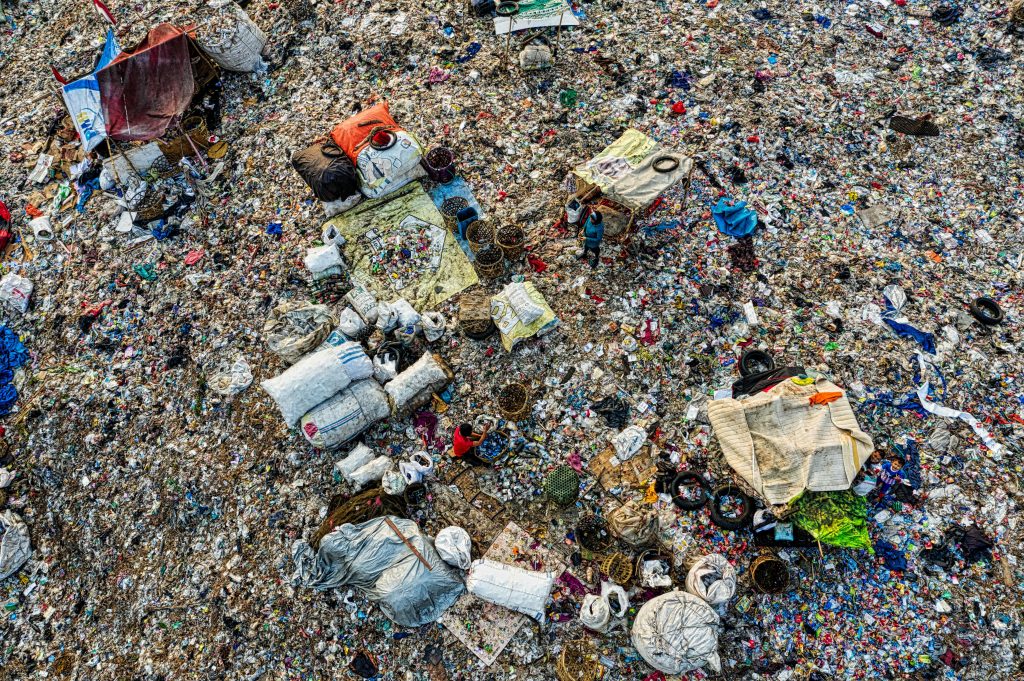
“Ever tried slathering on product after product, only to wake up with another breakout? Yeah, me too.” Welcome to the frustrating world of battling acne while trying to embrace sustainable beauty practices. If you’re here, chances are you’re tired of harsh chemicals and wasteful packaging that do more harm than good—both for your skin and the planet.
In this article, we’ll explore how natural makeup can be a game-changer when it comes to achieving clear skin without compromising sustainability. Spoiler alert: You’ll learn about eco-friendly products, foolproof application techniques, and why less really is more in some cases. So grab your reusable coffee cup (because caffeine = sanity), and let’s dive in!
Table of Contents
- The Problem with Conventional Makeup & Acne-Prone Skin
- Step-by-Step Guide to Sustainable Beauty for Acne
- 7 Best Tips for Using Natural Makeup
- Real-Life Success Stories from the Sustainable Beauty Community
- Frequently Asked Questions About Sustainable Beauty
Key Takeaways
- Natural makeup avoids harmful chemicals that irritate acne-prone skin.
- Sustainable beauty focuses not just on ingredients but also packaging and ethical sourcing.
- Achieving glowing skin starts with understanding YOUR unique complexion needs.
- Switching to sustainable options may reduce inflammation and improve long-term results.
Why Does My Acne Hate Me? The Problem with Conventional Makeup
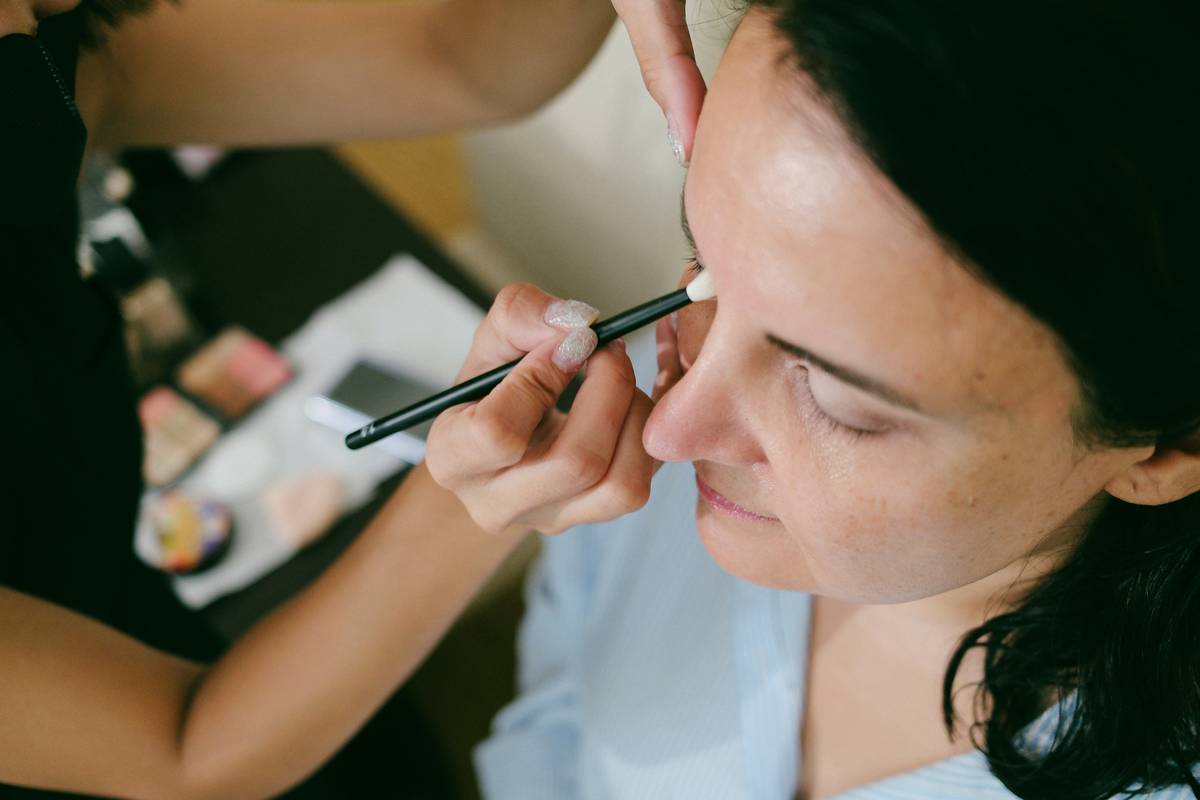
I once bought an “acne-safe” foundation only to realize later it was full of silicones and parabens—the skincare equivalent of eating kale salad topped with Doritos. Lesson learned: Labels lie sometimes.
Conventional makeup often contains pore-clogging fillers, synthetic fragrances, and preservatives that exacerbate acne. Plus, who wants their daily routine contributing to environmental degradation? Plastic tubes everywhere sound like nails on a chalkboard, right?
Optimist You: “There must be better alternatives!”
Grumpy You: “Yeah, as long as they don’t cost an arm and a leg.”
Step-by-Step Guide to Sustainable Beauty for Acne
Step 1: Know Your Ingredients Inside Out
Start by scanning ingredient labels like Sherlock Holmes. Look for buzzwords like “non-comedogenic,” “vegan,” or “organic.” Key players include:
- Oat Extract: Calms redness and reduces irritation.
- Hyaluronic Acid: Hydrates without clogging pores.
- Zinc Oxide: Naturally fights bacteria and balances oil production.
Step 2: Choose Eco-Friendly Packaging
Plastic-free refills? Yes, please! Brands like Axiology and Kjaer Weis offer chic, refillable compacts so luxe you’ll feel guilty using disposables ever again.
Step 3: Apply Less Product, More Love
Less truly *is* more. Build coverage gradually instead of slapping on thick layers. Pro tip: Mix moisturizer with foundation for added hydration and lighter consistency.
7 Best Tips for Using Natural Makeup
- Patch test EVERYTHING before applying fully.
- Invest in brushes made from cruelty-free materials—they blend seamlessly.
- Use green tea toner post-cleansing; its antioxidants combat breakouts naturally.
- Keep tools clean regularly—dirty brushes are basically acne magnets.
- Layer serums under makeup for extra nourishment.
- Swap liquid liners for pencil ones—they’re gentler on sensitive lids.
- Terrible Tip Disclaimer: NEVER buy solely based on Instagram hype. Always check reviews first!
Real-Life Success Stories from the Sustainable Beauty Community
Jessica M., a teacher turned sustainable beauty advocate, shared her journey online: “Switching to RMS Beauty’s ‘Un’ Cover-Up changed everything for me. No more midday shine OR painful flare-ups!”
Another blogger documented her six-month transformation after switching to bamboo-based blotting papers. Her takeaway? Sometimes simple swaps yield HUGE impacts.
Frequently Asked Questions About Sustainable Beauty
Q: Are natural makeup products effective enough for severe acne?
Absolutely—but patience is key. Unlike quick-fix chemical treatments, natural solutions work harmoniously with your skin over time.
Q: How much does sustainable beauty typically cost?
While high-end brands might seem pricey upfront, remember: Quality beats quantity every time. Plus, fewer toxic ingredients mean less money spent on dermatologist visits.
Q: Can I recycle my old makeup containers?
Check local recycling guidelines! Many brands now partner with TerraCycle to take back empties responsibly.
Conclusion
We’ve come full circle, haven’t we? From debunking toxic myths to embracing minimalist routines, sustainable beauty for acne isn’t just achievable—it’s downright empowering.
To recap, go ingredient-savvy, opt for refillable goodies, and always prioritize kindness—to yourself AND Mother Earth. Now go forth, glow-getter!
Haiku Time:
Clean skin, happy planet.
Glow greener, one swipe at a time.
Like a Care Bear, hug your face.