Have you ever stood in the beauty aisle staring at two products labeled “organic” and “clean,” wondering if they’re secretly twins in different packaging? You’re not alone. With greenwashing running rampant, it’s hard to know which is genuinely better for your skin or just better at buzzwords. In this post, we’ll break down the confusing world of natural makeup, so you can shop smarter—not harder.
We’ll cover:
– The real difference between organic makeup and clean beauty.
– A foolproof guide to picking the best products for your routine.
– Tips and tricks to apply them like a pro (yes, there’s a right way).
– And some brutally honest truths about what these labels *actually* mean.
Table of Contents
- Key Takeaways
- What’s the Deal with Organic Makeup vs Clean Beauty?
- How to Choose Natural Makeup That Works for You
- Application Tips for Flawless Natural Makeup
- Real-Life Examples: Does Natural Makeup Deliver?
- FAQs About Organic Makeup vs Clean Beauty
- Conclusion
Key Takeaways
- Organic makeup must contain USDA-certified ingredients grown without synthetic pesticides—clean beauty focuses on safe formulas but has no official certification.
- Always check ingredient lists; marketing terms like “natural” often lack regulation.
- Natural makeup application takes patience—layer lightly and blend well for seamless results.
- Some brands claim both organic and clean credentials, but their effectiveness varies based on formulation.
What’s the Deal with Organic Makeup vs Clean Beauty?
Pretend we’re sitting over coffee while I confess something cringeworthy: Once, I bought an $80 foundation promising “all-natural glow.” Spoiler alert—it went straight into my graveyard drawer because it looked more cakey than glowing. Afterward, I realized I didn’t even know what “all-natural” meant! Sound familiar?
Spoiler Alert: Not all natural-looking packaging means pure ingredients inside. Here’s where things get tricky:
What Is Organic Makeup?
Think farm-fresh veggies meet face paint. True organic makeup contains ingredients certified by organizations like USDA or ECOCERT. These certifications ensure no GMOs, synthetic fertilizers, or harmful chemicals touched those avocado oils or shea butters. However, achieving full organic status requires rigorous testing, making truly organic products rare—and pricey.
What Is Clean Beauty?
Clean beauty skips toxic nasties like parabens, phthalates, and sulfates. It prioritizes safety but stops short of requiring third-party certification. So technically, a product could call itself “clean” as long as its formula avoids flagged offenders—even if other questionable additives sneak through. Think of it as being gluten-free instead of fully vegan-friendly.
**Optimist Me:* “It gives consumers flexibility!”**
*Grumpy Me:** “Yeah, until every second product claims ‘clean’ yet still clogs pores.”**
How to Choose Natural Makeup That Works for You
Step 1: Understand Label Jargon
First, arm yourself with knowledge. Look beyond flashy promises like “eco-conscious” or “green.” Instead, scan ingredient lists for recognizable names like jojoba oil or chamomile extract.
Step 2: Match Your Skin Type
Dry skin? Opt for hydrating foundations made with coconut oil or aloe vera. Oily complexions may prefer mineral powders sans heavy oils. For sensitive skin, patch test everything—you’d be surprised how many “gentle” cleansers cause redness.
Step 3: Shop Brands Transparent About Certifications
Avoid vague claims. Reputable companies proudly display seals from recognized certifiers like EWG Verified or Leaping Bunny (cruelty-free).
Warning!
This next part stings: Some influencers hype up random indie brands that slap “clean” on everything from bronzer to brow gel without proof. Don’t fall victim! Always do your homework first.
Application Tips for Flawless Natural Makeup
- Prep Properly: Use lightweight moisturizers and primer designed specifically for natural makeup. Anything too greasy makes cream blushes slip-slide everywhere.
- Less Is More: Start with small amounts since most natural formulations build intensity easily. Overdoing it = hello clown cheeks!
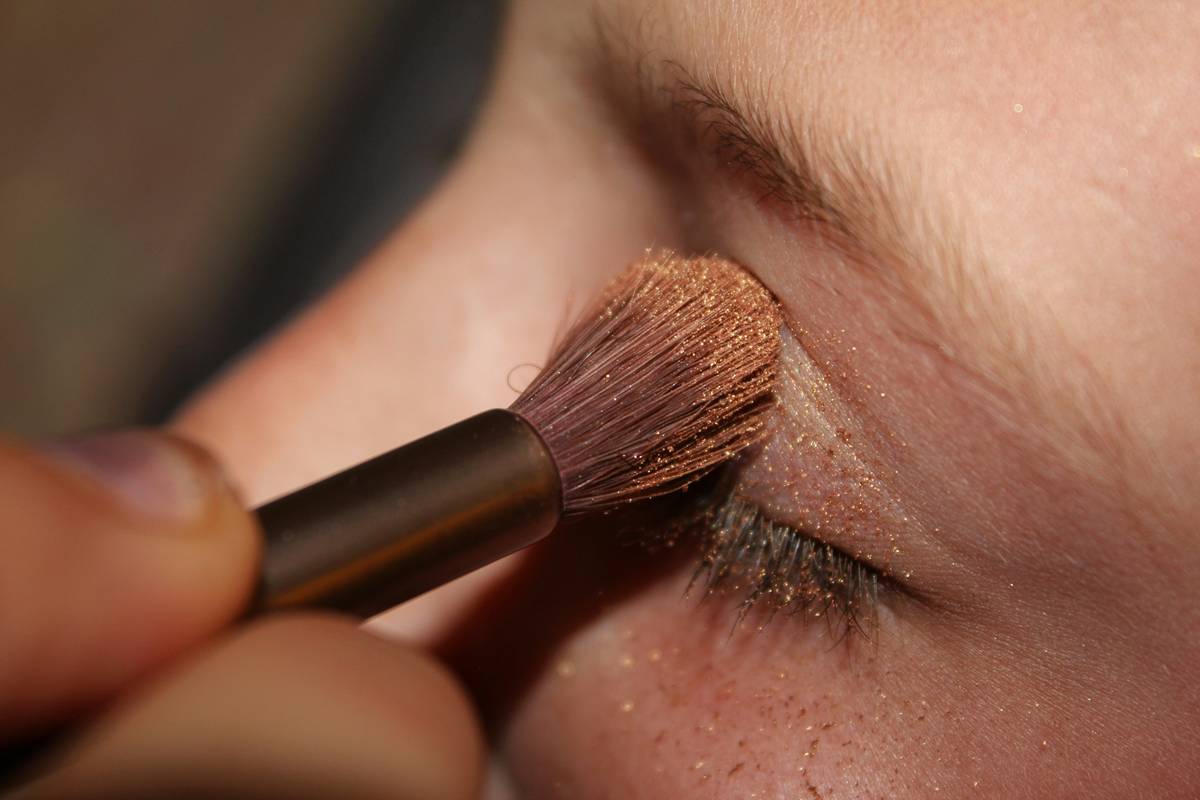
- Blend Like Crazy: Natural pigments tend to dry faster, so blend quickly using sponges or brushes designed for creamier textures.
- Set Smartly: Mineral setting powders add staying power without compromising breathability—a total win-win.
Real-Life Examples: Does Natural Makeup Deliver?
Case Study #1: Glow Recipe Watermelon Glow Sleeping Mask
Glow Recipe skyrocketed thanks to Instagram fame—and deservedly so. Their cult favorite mask uses watermelon enzymes (a naturally hydrating superstar) alongside exfoliating AHAs. Reviewers rave about smoother skin overnight.
Case Study #2: RMS Beauty “Un” Cover-Up
RMS Beauty nails minimalism with their concealer-meets-foundation hybrid. Made primarily of coconut oil and beeswax, it’s creamy enough for dry patches yet sheer enough to avoid heaviness. Perfect for dewy lovers who hate matte finishes.
FAQs About Organic Makeup vs Clean Beauty
Q: Are organic makeup and clean beauty cheaper than conventional options?
Absolutely not. Because production standards are higher (and sometimes involve sustainable sourcing), prices reflect those efforts. Budget wisely.
Q: Can I mix organic and non-organic products together?
Totally fine—just remember mixing harsh chemicals with gentle naturals might irritate sensitive types.
Q: Why does my organic mascara smudge worse than drugstore ones?
Here’s the tea: Without silicones or waxes, eco-friendly formulas sacrifice longevity for ethics. Blame capitalism—not your lashes.
Conclusion
So, organic makeup vs clean beauty—who wins? Honestly, it depends on what works for *you*. If transparency matters above all else, lean toward true organics. Prefer safety-first simplicity? Then clean beauty likely checks boxes better. Either way, stay curious and keep questioning what’s behind the label.
Oh, and one last thing:
Earth loves good choices,
Your skin deserves kindness too—
Go forth, glow naturally.