**Introduction**
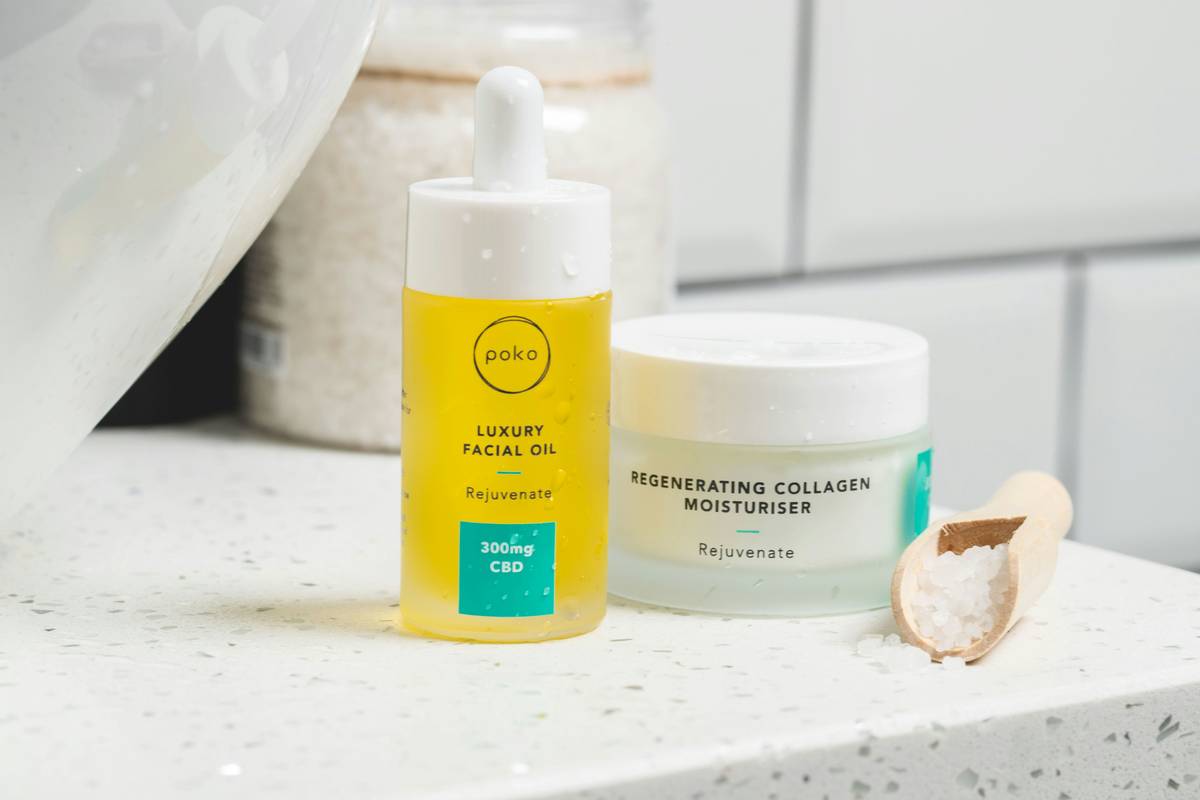
Ever found yourself staring at a shelf full of makeup products, wondering if they’re truly as natural as they claim? We’ve all been there. Optimist You:* ‘You’re not alone!’ Grumpy You: ‘Ugh, fine—but only if coffee’s involved.’ In this post, we’ll dive into the world of clean beauty reviews, helping you make informed choices about natural makeup. You’ll learn what to look for, how to choose, and see real-world examples of the best natural products out there.
**Table of Contents**
- The Problem with Traditional Makeup
- Step-by-Step Guide to Choosing Clean Beauty Products
- Tips and Best Practices for Natural Makeup
- Real-Life Success Stories and Case Studies
- FAQs on Clean Beauty Reviews
**Key Takeaways**
- Understand the importance of clean beauty and why it matters.
- Learn how to read labels and identify truly natural products.
- Get actionable tips for incorporating natural makeup into your routine.
- See examples of successful clean beauty transitions.
The Problem with Traditional Makeup
Traditional makeup can be a bit like a wolf in sheep’s clothing. Sure, it might look and feel great, but hidden beneath those glossy finishes and flawless finishes are often harsh chemicals that can do more harm than good. From parabens and phthalates to synthetic fragrances, these ingredients can cause skin irritation, allergic reactions, and even long-term health issues. Optimist You:* ‘But don’t worry, there’s a solution!’ Grumpy You: ‘If by solution you mean a rabbit hole of research, sure.’*
**Section 2: Step-by-Step Guide to Choosing Clean Beauty Products**
How to Read Labels Like a Pro
Reading labels is like deciphering a secret code. But don’t worry, I’ve got you covered. Here’s a quick guide to help you navigate:
- Look for Certifications: Certifications like USDA Organic, Leaping Bunny, and Ecocert are a good sign.
- Avoid Harmful Ingredients: Common culprits include parabens, sulfates, phthalates, and synthetic fragrances.
- Check for Transparency: Brands that are transparent about their ingredients and sourcing are more trustworthy.
Identify Your Skin Type and Needs
Optimist You:* ‘This is the fun part!’ Grumpy You: ‘Said no one ever while trying to figure out if they have combination or oily skin.’
Knowing your skin type is crucial when choosing natural makeup. Here’s a quick guide:
- Dry Skin: Look for products with hydrating ingredients like hyaluronic acid and shea butter.
- Oily Skin: Opt for oil-free and non-comedogenic products that won’t clog pores.
- Combination Skin: Balance is key—choose products that address both dry and oily areas.
Research and Trustworthy Brands
Do your research! Look for brands that are committed to clean beauty and have a strong track record. Check out customer reviews, expert opinions, and ingredient lists. Some top brands to consider include RMS Beauty, Ilia, and Vapour.
**Section 3: Tips and Best Practices for Natural Makeup**
Start Small and Test Thoroughly
Transitioning to natural makeup can be overwhelming. Start small by swapping out one product at a time and testing it thoroughly. This way, you can see how your skin reacts and make adjustments as needed.
Invest in Quality Over Quantity
Quality over quantity is the name of the game. It’s better to have a few high-quality, natural products than a bunch of low-quality ones. Invest in multi-purpose products that can serve multiple functions, like a tinted moisturizer with SPF.
Be Wary of Marketing Hype
Brands love to throw around buzzwords like “natural” and “organic,” but not all of them live up to the hype. Always double-check the ingredient list and certifications to ensure you’re getting the real deal.
Store Your Products Properly
Natural products often have a shorter shelf life than conventional ones. Store them in a cool, dry place away from direct sunlight to extend their lifespan. And always keep an eye on expiration dates.
**Section 4: Real-Life Success Stories and Case Studies**
Case Study: Sarah’s Journey to Clean Beauty
Sarah, a 30-year-old makeup enthusiast, decided to switch to natural makeup after experiencing persistent skin irritation. She started by replacing her foundation with a mineral-based one and gradually transitioned to other natural products. Within a month, she noticed a significant improvement in her skin’s clarity and overall health.
Case Study: Emily’s Green Beauty Routine
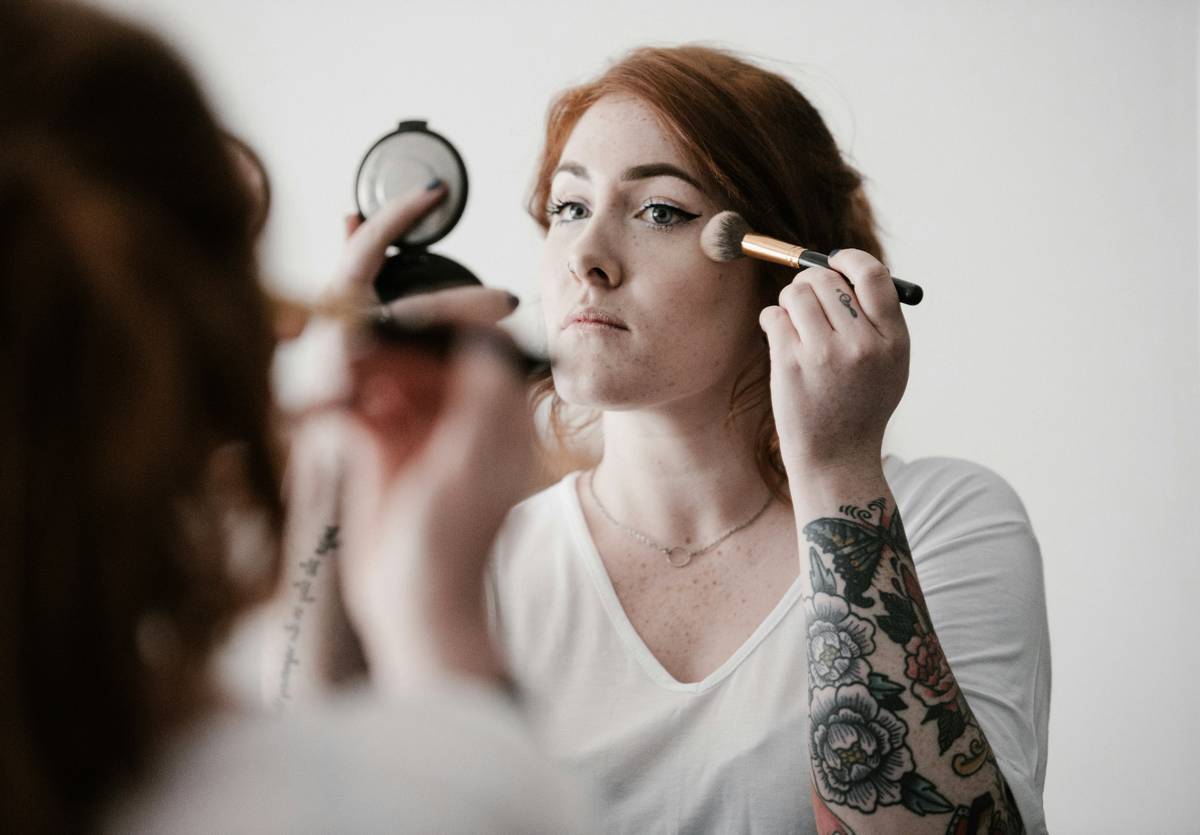
Emily, a 25-year-old environmental activist, was already passionate about living a sustainable lifestyle. When she discovered the world of clean beauty, it was a natural fit. She carefully curated a collection of natural and eco-friendly makeup products, including a vegan mascara and a compostable lip balm. Her friends and followers were inspired to make the switch too.
**Section 5: FAQs on Clean Beauty Reviews**
Q: What is the difference between “natural” and “organic” makeup?
Natural makeup is made from ingredients derived from nature, while organic makeup specifically uses ingredients that are certified organic, meaning they are grown without the use of pesticides or synthetic fertilizers.
Q: How do I know if a product is truly clean?
Look for third-party certifications like USDA Organic, Ecocert, and Leaping Bunny. Additionally, check the ingredient list for harmful chemicals and opt for brands that are transparent about their sourcing and manufacturing processes.
Q: Are natural makeup products less effective than traditional ones?
Not necessarily. While some natural products may not have the same staying power as conventional ones, many high-quality natural brands offer products that are just as effective. The key is to find the right products for your skin type and needs.
Q: Can I still achieve a full-coverage look with natural makeup?
Absolutely! Many natural makeup brands offer full-coverage foundations and concealers. Look for products with buildable coverage and experiment with different application techniques to find what works best for you.
Q: How do I transition to natural makeup without breaking the bank?
Start by swapping out one product at a time and looking for more affordable options within reputable brands. Multi-purpose products and DIY recipes can also help you save money while making the switch.
**Conclusion**
Making the switch to clean beauty doesn’t have to be a daunting task. By understanding the importance of natural makeup, learning how to read labels, and following best practices, you can create a skincare and makeup routine that’s both effective and ethical. Remember, the journey to clean beauty is a personal one, so take it at your own pace and enjoy the process. Optimist You:* ‘You’ve got this!’ Grumpy You: ‘And if you need a little extra caffeine, that’s okay too.’
Like a Tamagotchi, your skin needs daily care. Treat it well, and it will treat you well in return.