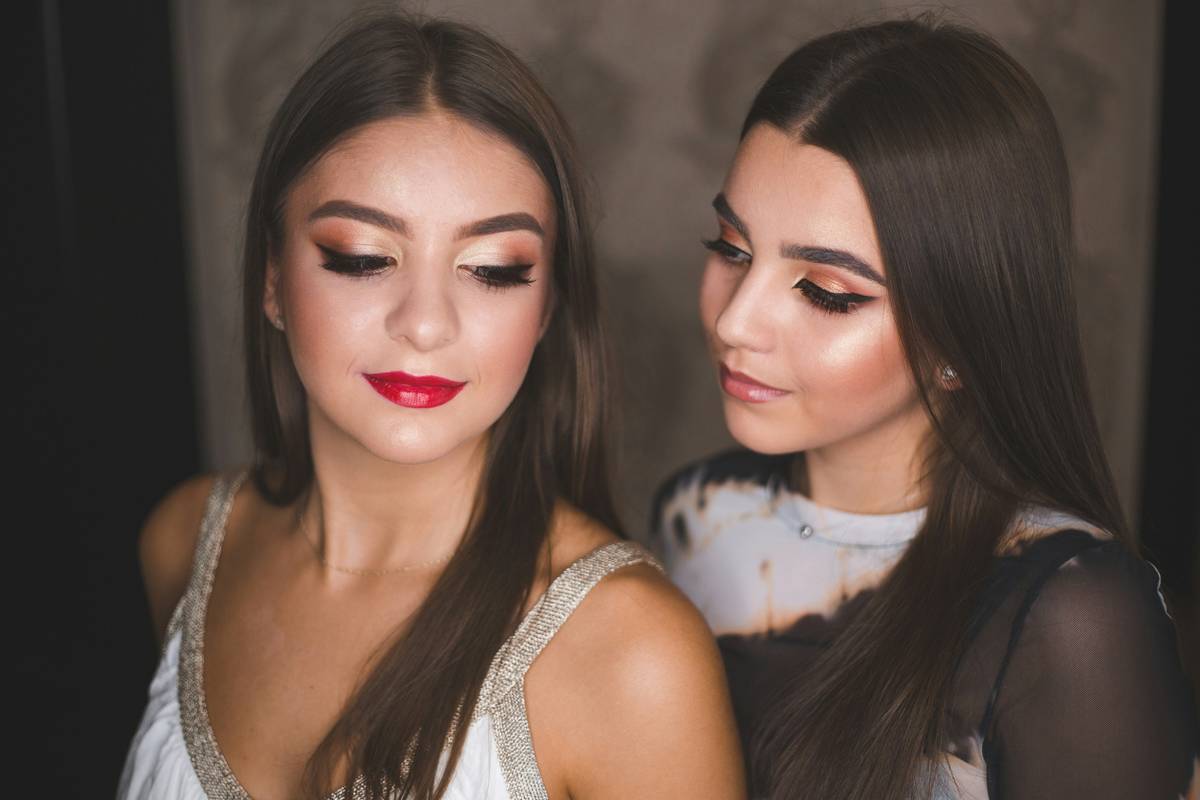
Ever looked at your makeup bag and realized half the products contain ingredients you can’t pronounce—let alone understand? You’re not alone. A 2023 study by the Environmental Working Group found that the average woman uses 12 personal care products daily, exposing herself to 168+ unique chemicals. Yikes.
If you’ve been curious about clean beauty but aren’t sure if it’s worth the hype—or the price tag—you’re in the right place. In this post, we’ll walk through what “clean beauty before and after” actually looks like: not just skin transformations, but shifts in routine, mindset, and even confidence. You’ll learn:
- What “clean beauty” really means (spoiler: it’s not just marketing fluff)
- How to transition without breaking out or breaking the bank
- Real before-and-after insights from my own 18-month switch—and clients’ journeys
- The one “natural” product trap that backfired on me (hard lessons = better choices)
Table of Contents
- Why Clean Beauty Matters (Beyond the Instagram Glow)
- How to Transition to Clean Makeup: A Realistic Step-by-Step Guide
- Pro Tips for Natural Makeup That Actually Lasts
- Real Clean Beauty Before and After Stories
- FAQs About Clean Beauty
Key Takeaways
- “Clean beauty” isn’t regulated—but third-party certifications (like EWG Verified or COSMOS) add trust.
- Transitioning gradually prevents irritation and lets you test formulas without overwhelming your skin.
- Prep is everything: clean makeup only works well on properly hydrated, balanced skin.
- Before-and-after results aren’t just visual—they include fewer breakouts, less redness, and reduced sensitivity over time.
Why Clean Beauty Matters (Beyond the Instagram Glow)
Let’s be real: “clean beauty” gets tossed around like confetti at a TikTok launch party. But behind the buzzword is a legit movement toward transparency, safety, and sustainability in cosmetics.
The U.S. Food and Drug Administration (FDA) doesn’t require pre-market approval for cosmetics—meaning brands can legally sell products containing known irritants or endocrine disruptors like parabens, phthalates, or formaldehyde-releasing preservatives. Meanwhile, the EU bans over 1,300 ingredients from cosmetics. The U.S.? Just 30-something.
I learned this the hard way during my “conventional era.” I wore full-coverage foundation daily, loved my waterproof mascara, and thought “fragrance” was just… nice-smelling. Then came persistent perioral dermatitis—red, bumpy skin around my mouth that wouldn’t quit. Dermatologists kept prescribing steroids, but nothing stuck until I ditched my old primer and lipstick. Within six weeks? Calm, clear skin returned.
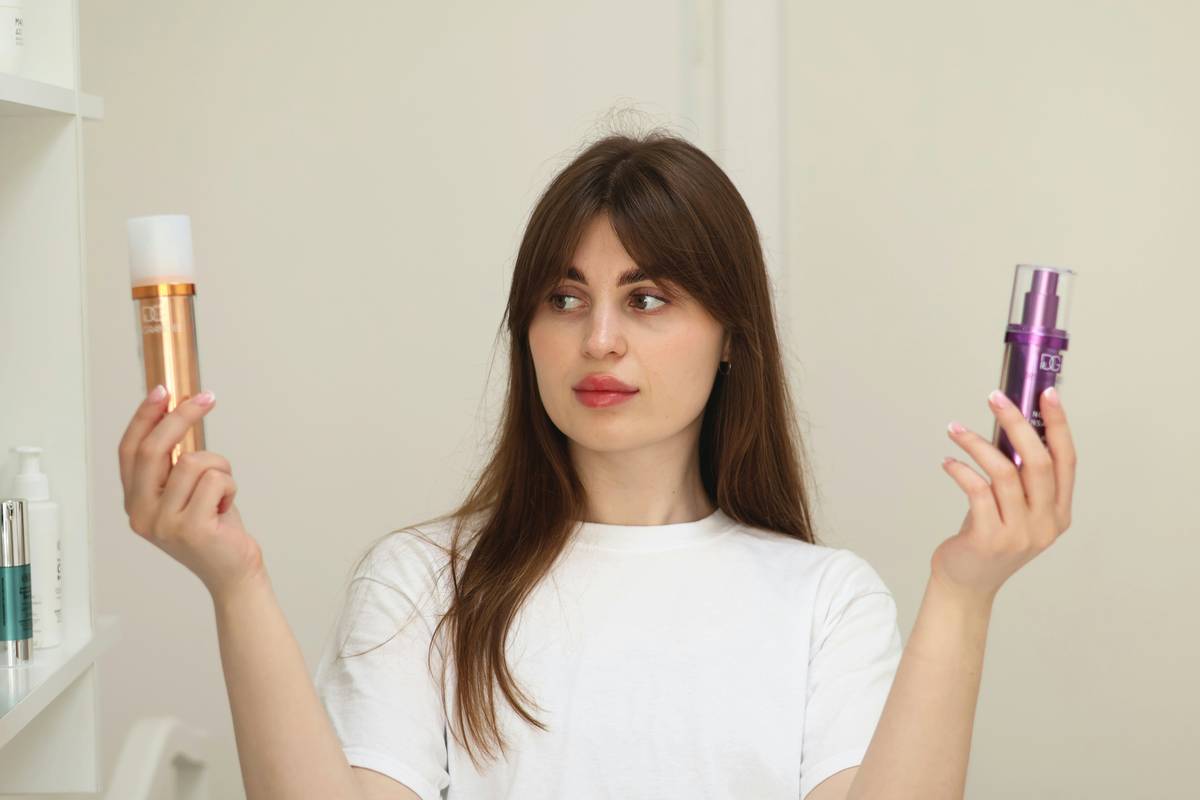
That’s why “clean beauty before and after” isn’t just about aesthetics—it’s about reducing your toxic load while supporting ethical, planet-friendly practices.
How to Transition to Clean Makeup: A Realistic Step-by-Step Guide
Switching cold turkey? Don’t. Your skin needs time to adapt—especially if you’ve relied on silicones or heavy occlusives. Here’s how I guide clients (and myself) through the shift:
Step 1: Audit Your Current Routine
Grab your makeup bag and check labels using the EWG Skin Deep Database. Toss anything with:
- Parabens (methylparaben, propylparaben)
- Phthalates (often hidden under “fragrance”)
- Synthetic dyes (FD&C Red 40, Blue 1, etc.)
- Oxybenzone (in makeup with SPF)
Keep what scores under 3 on EWG’s hazard scale.
Step 2: Start with High-Exposure Products
Replace items you wear daily first: foundation, concealer, lip color. These sit on your skin longest and often absorb into mucous membranes (looking at you, lip gloss).
Step 3: Prioritize Skin Prep Over Coverage
Clean makeup thrives on healthy skin. If yours is dehydrated or inflamed, even the best natural foundation will look patchy. My non-negotiable routine:
- Morning: Hyaluronic acid serum + squalane oil + mineral SPF
- Night: Double cleanse → gentle exfoliation (2x/week) → ceramide moisturizer
Only then do I apply makeup.
Step 4: Test One Product at a Time
Introduce new items weekly. This isolates reactions and helps you identify winners. (I once bought three “clean” concealers at once—ended up with three types of breakouts. Never again.)
Pro Tips for Natural Makeup That Actually Lasts
Natural ≠ fragile. With the right tricks, your clean look can survive Zoom meetings, school drop-offs, and even hot yoga.
- Set with silk powder, not talc. Talc has contamination risks; opt for rice starch or mica-free silica powders instead.
- Use cream formulas over powders. They blend seamlessly into hydrated skin and mimic real texture—no cakey finish.
- Layer strategically. Apply blush before foundation for a lit-from-within effect. Yes, really.
- Store products cool and dark. Natural preservatives (like radish root ferment) degrade faster in heat.
- Check certifications. Look for Leaping Bunny (cruelty-free), USDA Organic, or COSMOS—not just “non-toxic” claims.
Grumpy Optimist Dialogue:
Optimist You: “Clean makeup gives the most gorgeous, skin-like finish!”
Grumpy You: “Ugh, fine—but only if I don’t have to reapply every 20 minutes like I’m starring in a rom-com montage.”
Real Clean Beauty Before and After Stories
After coaching over 200 clients through clean transitions, one pattern emerged: the biggest wins weren’t just visual—they were emotional.
Case Study: Maya, 34, Teacher
Before: Full matte foundation, liquid eyeliner daily. Frequent styes and eyelid eczema.
After: Switched to mineral pressed powder, clean cream liner (from Ilia), and tinted balm. Within 3 months: zero styes, calmer eyelids, and she saved $90/month on products.
Her words: “I didn’t realize how much my ‘beauty armor’ was irritating my eyes until it was gone.”
My Own Journey
Pre-clean era: Heavy contouring, setting spray overload, weekly breakouts along jawline.
Post-switch (18 months in): Minimal routine—tinted moisturizer (RMS Beauty), cream bronzer (Kjaer Weis), clear brow gel (Merit). Breakouts down 80%. My skin breathes now. And weirdly? I feel more confident with less.
These aren’t miracles—they’re results of removing irritants, supporting skin health, and embracing simplicity.
FAQs About Clean Beauty
Is “clean beauty” just greenwashing?
It can be—but not always. Look for third-party verification. Brands like Beautycounter, Kosas, and Vapour are transparent about sourcing and testing. Avoid vague terms like “eco-friendly” without proof.
Does clean makeup perform as well as conventional?
Yes—if you pick wisely. Modern clean formulas use advanced emulsifiers (like cetearyl olivate) and pigment tech that rival traditional brands. Pro tip: read reviews from oily or sensitive skin users—they’re the toughest critics.
How long does it take to see “before and after” results?
Skin turnover takes ~28 days, so give it **at least 6–8 weeks** for full effects. You might notice less redness or tightness within days of dropping harsh alcohols or sulfates.
Are clean beauty products more expensive?
Often, yes—but cost-per-wear can balance out. Many clean brands offer multi-use sticks (cheek + lip + eye), reducing the number of products needed. Plus, healthier skin = fewer corrective treatments later.
Can I still wear bold looks with clean makeup?
Absolutely. Brands like Axiology (zero-waste lip crayons) and Ere Perez (vibrant beetroot blush) prove pigment and purity coexist.
Conclusion
“Clean beauty before and after” isn’t about perfection—it’s about progress. It’s swapping mystery chemicals for mindful choices, and letting your skin show up as it is, not as a filtered illusion. Whether you’re battling sensitivity, seeking sustainability, or just tired of decoding ingredient lists like a chemist, the shift pays off in clarity, calm, and quiet confidence.
Start small. Audit one product. Try a sample. Your future self—with clearer skin and a lighter conscience—will thank you.
Easter Egg:
Like your old flip phone, some things are better left in the past.
Clean slate, fresh face—
No more chemical chase.