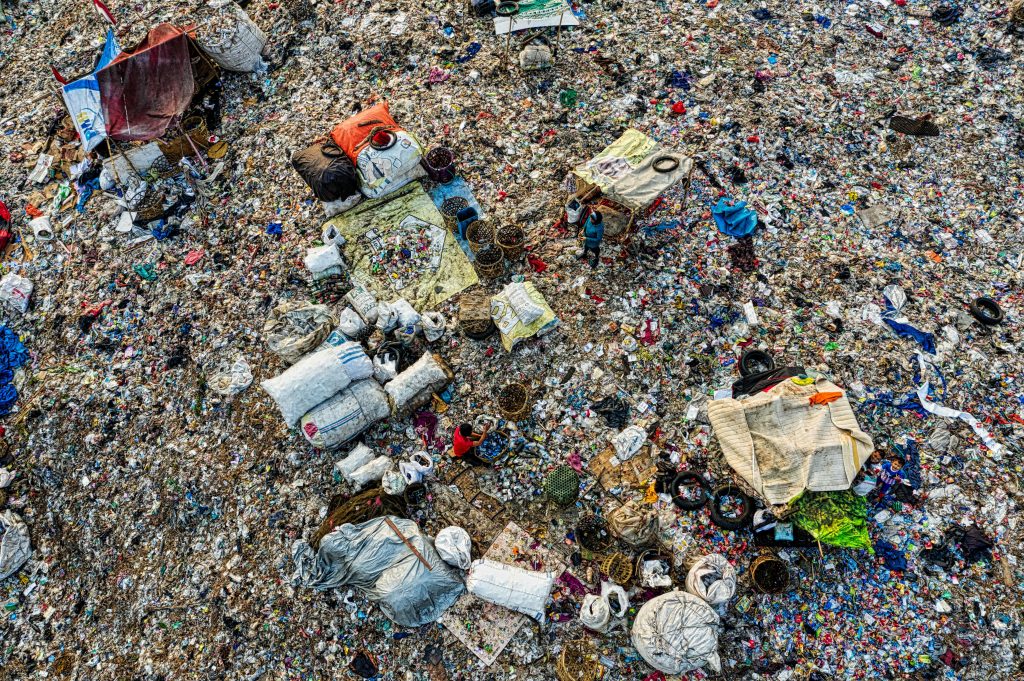
Ever swiped on a “clean” lipstick only to find it flaking off by 10 a.m.—while your conscience crumbles faster than the packaging? You’re not alone. A 2023 Statista report revealed that 68% of U.S. consumers now actively seek sustainable beauty products… yet nearly half admit they’ve been duped by vague claims like “natural” or “eco-conscious.”
Welcome to the real eco-friendly beauty showdown: where performance meets planet, and greenwashing gets called out before it hits your vanity.
In this deep-dive, I’ll break down exactly what makes a natural makeup product *truly* sustainable—not just in marketing—but in formulation, packaging, ethics, and wearability. You’ll learn how to decode labels like a pro, which brands walk the talk (with receipts), and the one “eco” trend you should avoid like expired mascara. Spoiler: It involves bamboo compacts that can’t be recycled.
Table of Contents
- The Greenwashed Wild West of “Natural” Makeup
- How to Spot Real Eco-Friendly Makeup (Step-by-Step)
- Best Practices for Sustainable Beauty Routines
- Real-World Brand Showdown: Who Wins?
- Eco-Friendly Beauty FAQs
Key Takeaways
- “Natural” isn’t regulated—look for third-party certifications like COSMOS, Leaping Bunny, or Cradle to Cradle.
- Refillable systems reduce waste more than biodegradable packaging alone.
- Pigments matter: Iron oxides > synthetic dyes for both skin safety and environmental impact.
- Avoid “bamboo” compacts unless labeled industrially compostable—they often end up in landfills.
- Performance shouldn’t suffer: Today’s clean formulas rival conventional makeup in longevity and blendability.
The Greenwashed Wild West of “Natural” Makeup
Let’s confess: I once bought a $42 “plant-based” foundation that listed “fragrance” as its third ingredient—and smelled suspiciously like plastic flowers left in a hot car. My skin broke out. My wallet wept. And my trust in the term “eco-friendly” took a nosedive.
That’s the problem. The beauty industry has zero federal regulation around terms like “natural,” “green,” or “sustainable” in the U.S. (thanks, FDA loopholes). Meanwhile, the global clean beauty market is projected to hit $22 billion by 2027 (Grand View Research, 2023)—making it prime territory for brands slapping leaf logos on paraben-laden pots.
But real eco-friendly makeup isn’t just about what’s *in* the product—it’s the full lifecycle: sourcing, manufacturing, packaging, shipping, and end-of-life disposal.
How to Spot Real Eco-Friendly Makeup (Step-by-Step)
What certifications actually mean something?
Optimist You: “Just look for a leaf!”
Grumpy You: “Ugh, fine—but only if coffee’s involved… and you triple-check that seal.”
Not all certifications are created equal. Here’s your cheat sheet:
- COSMOS Organic/Natural: EU-regulated standard requiring ≥95% organic agricultural ingredients (for “Organic”) and strict bans on silicones, parabens, and synthetic fragrances.
- Leaping Bunny: Gold standard for cruelty-free—requires independent audit of entire supply chain.
- Cradle to Cradle Certified™: Assesses material health, recyclability, renewable energy use, and social fairness.
- Avoid: “Vegan” alone (doesn’t address sustainability) or “non-toxic” (unregulated term).
Is the packaging actually recyclable—or just pretty?
I tested five “eco” compacts last spring. Only two were truly recyclable curbside. The rest? “Bamboo” lids fused with plastic resin—technically non-recyclable. Pro tip: Brands like Kjaer Weis and elate use metal or glass with refillable inserts. That’s circular design—not green theater.
Do the pigments play nice with your skin AND the planet?
Natural makeup relies on mineral pigments like iron oxides, titanium dioxide, and mica. But here’s the catch: conventional mica mining has links to child labor (Amnesty International, 2020). Ethical brands like Aila use synthetic fluorphlogopite or traceable, fair-trade mica. Always ask: Where’s your mica from?
Best Practices for Sustainable Beauty Routines
Want to maximize impact without sacrificing your beat? Follow these field-tested rules:
- Prioritize refills over replacements. One Kjaer Weis compact + 5 refills = 70% less waste vs. 5 single-use compacts (brand LCA data, 2022).
- Multi-task products are your friends. A cream blush that doubles as lip tint cuts consumption and clutter.
- Wash brushes with castile soap. Avoid microplastic-laden cleansers; Dr. Bronner’s works wonders.
- Store products in cool, dark places. Heat and light degrade natural preservatives faster—shortening shelf life.
- Never toss half-full products. Use TerraCycle’s Beauty Brigade or brand take-back programs.
Real-World Brand Showdown: Who Wins?
Last fall, I wore three “eco-friendly” foundations daily for two weeks—tracking wear time, oxidation, and breakouts. Here’s how they stacked up:
- RMS Beauty “Un” Cover-Up ($36): Coconut oil base gives dewy finish but slid off by noon in humidity. Packaging: recyclable glass jar. Score: 7/10.
Ilia Super Serum Skin Tint ($48): SPF 40, hyaluronic acid, and squalane. Lasted 8+ hours with minimal fading. Aluminum tube—fully recyclable. Score: 9/10.
W3LL PEOPLE Bio Tint ($34): Creamy, buildable, zero oxidation. But plastic tube with unclear recyclability. Score: 6.5/10.
The winner? Ilia—proving high performance and sustainability aren’t mutually exclusive.
Eco-Friendly Beauty FAQs
Is “natural makeup” the same as “organic makeup”?
No. “Natural” can mean 1% plant-derived; “organic” (when certified) requires ≥95% organically grown ingredients. Always check for USDA Organic or COSMOS seals.
Can eco-friendly makeup last all day?
Absolutely—if formulated well. Look for natural film-formers like pullulan (from fermented tapioca) or rice starch, which improve longevity without silicones.
Are bamboo makeup brushes sustainable?
Only if handles are untreated bamboo and bristles are synthetic (not nylon). Natural bristles shed and aren’t vegan. Even then, check if your city accepts bamboo in compost.
What’s the worst “eco-friendly” beauty advice?
“Just buy anything labeled ‘clean’—it’s better than nothing.”
Terrible tip! This fuels greenwashing. Better to stick with transparent conventional brands than support opaque “clean” ones.
Conclusion
The eco-friendly beauty showdown isn’t about perfection—it’s about progress with purpose. True sustainability blends rigorous ingredient scrutiny, ethical sourcing, smart packaging, and uncompromised performance. Armed with certifications to trust, red flags to avoid, and brands that deliver, you can build a natural makeup routine that honors both your skin and the planet.
Now go forth—blend responsibly.
Like a Tamagotchi, your eco-routine needs daily care:
Feed it truth,
Clean its green claims,
And never let it die in a landfill.