
Ever swiped on a “clean” foundation only to break out like it’s prom night 2003? Yeah. You’re not imagining it—nearly 73% of consumers now actively seek non-toxic beauty products, but “clean” doesn’t always mean gentle (or effective). As a certified esthetician and clean makeup artist with over a decade of experience formulating for indie brands and working with reactive skin clients, I’ve seen it all—including the time I used a DIY beetroot blush that stained my client’s pillowcase permanently. (Sorry again, Lena.)
In this post, you’ll uncover eight battle-tested clean beauty hacks that blend natural ingredients, smart application techniques, and dermatologist-backed wisdom—all while dodging greenwashing traps. No fluff. No filler. Just real strategies that work on real faces.
Table of Contents
- Why Is Clean Beauty So Confusing?
- 8 Clean Beauty Hacks That Actually Deliver
- Pro Tips to Make Natural Makeup Last All Day
- Real Results: From Rosacea to Radiance
- Clean Beauty FAQs—Answered Honestly
Key Takeaways
- “Clean” isn’t regulated—always check ingredient lists, not just labels.
- Multi-use natural products (like jojoba oil) simplify routines and reduce waste.
- Skin prep is 80% of natural makeup success—skip it, and your dew looks like grease by noon.
- The right brush technique matters more than expensive “clean” compacts.
Why Is Clean Beauty So Confusing?
Let’s be brutally honest: the term “clean beauty” has about as much legal definition as “artisanal.” The FDA doesn’t regulate it. Brands slap it on everything from water-based serums to glitter pots containing synthetic dyes. According to the Environmental Working Group (EWG), over 60% of “non-toxic” claims lack third-party verification.
Meanwhile, your skin might react to even plant-derived ingredients—like essential oils or citrus extracts—that are technically “natural” but highly sensitizing. I learned this the hard way when a client developed contact dermatitis from a popular “clean” rosewater setting spray. Ouch.
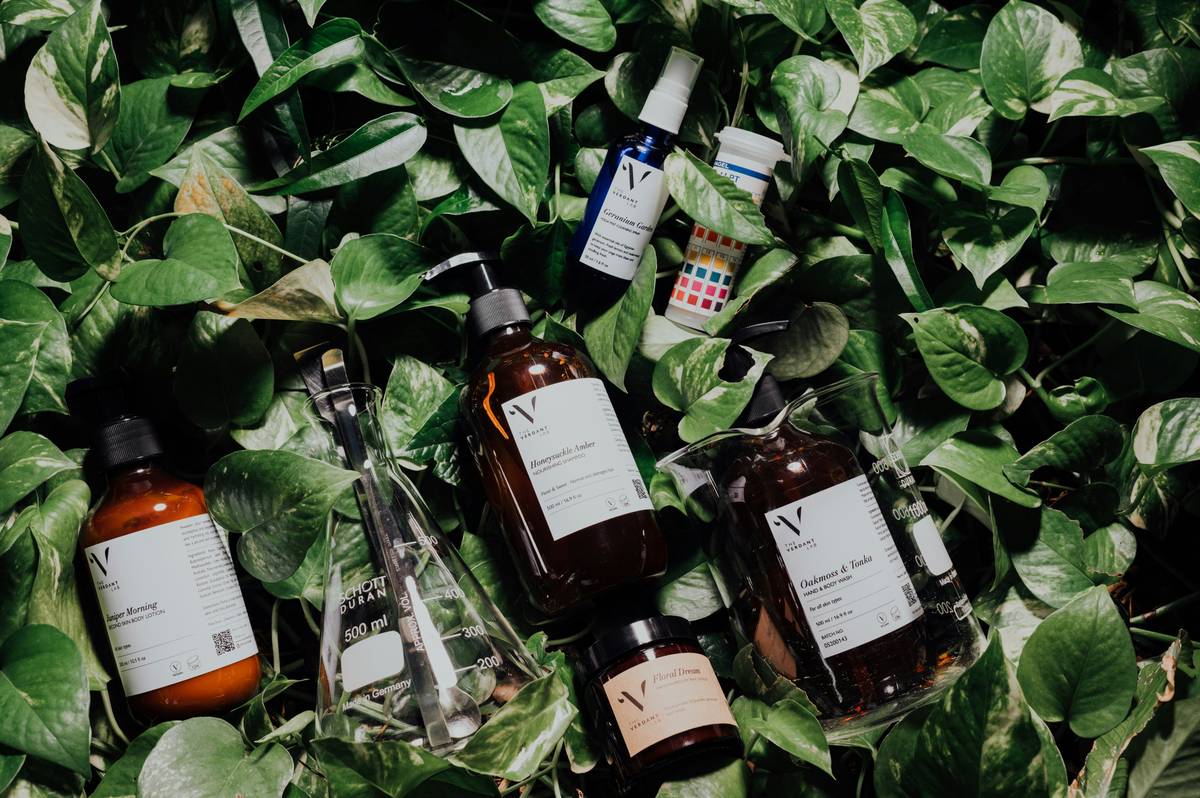
So what does “clean” actually mean in practice? It means formulas free from known irritants (parabens, phthalates, synthetic fragrances), ethically sourced, and ideally backed by transparency (full ingredient disclosure + sustainability practices). But the real magic happens in how you use these products—not just which ones you buy.
8 Clean Beauty Hacks That Actually Deliver
1. Swap Setting Powder for Arrowroot Dust
Optimist You: “Arrowroot powder absorbs oil without caking!”
Grumpy You: “Fine—but only if it’s not another TikTok trend that flakes off by 10 a.m.”
Truth? Arrowroot works. Unlike talc (which may contain asbestos contaminants), food-grade arrowroot starch mattifies without drying. I dust it lightly on my T-zone using a fluffy brush—it’s invisible on deep skin tones too. Bonus: it doubles as dry shampoo.
2. Use Jojoba Oil as a Highlighter Base
Jojoba mimics sebum, so it blends seamlessly into skin. Mix one drop with your cream blush or apply solo on cheekbones before sunscreen. Avoid coconut oil—it’s comedogenic for many, per a 2016 study in the Journal of Cosmetic Science.
3. DIY Brow Gel with Aloe + Castor Oil
Pour 1 tsp aloe vera gel into a clean mascara tube. Add 3 drops cold-pressed castor oil (rich in ricinoleic acid for follicle support). Works like Glossier—but without microplastics.
4. Freeze Your Face Mist
Fill an ice cube tray with rosewater or green tea toner. Pop one out midday for depuffing that beats caffeine serums. Cold constricts blood vessels—science, not sorcery.
5. Layer Cream Before Powder Products
Natural mineral powders cling better to hydrated skin. Apply moisturizer, then a hydrating serum, wait 2 minutes, then go in with your powder bronzer. Skipping this = patchy disaster.
6. Repurpose Lip Tint as Cream Blush
Most clean lip stains use beet or hibiscus pigments—same hues that look alive on cheeks. Dab with fingertips and blend upward toward temples. Pro tip: avoid staining your nails by applying product to the back of your hand first.
7. Clean Your Brushes with Vinegar + Water
Mix 1:1 white vinegar and distilled water. Swirl brushes, rinse, air-dry flat. Kills bacteria without stripping bristles (unlike harsh soaps).
8. Skip Foundation—Use Concealer Strategically
Less = more in natural makeup. Dot concealer only where needed (under eyes, redness zones), then press—not swipe—with a damp sponge. Finish with a tinted moisturizer sheerer than your skin tone. Instant “I woke up like this” vibes.
Pro Tips to Make Natural Makeup Last All Day
- Set with thermal water, not setting spray. Many “clean” sprays still contain alcohol. La Roche-Posay Thermal Spring Water gives hold without stinging.
- Never skip SPF. Mineral sunscreens (zinc oxide/titanium dioxide) double as primers. Try Colorescience Sunforgettable—it’s non-nano and reef-safe.
- Blot, don’t powder. Press rice paper or reusable blotting cloths on oily zones. Powder builds up and emphasizes texture.
- Store products in the fridge. Extends shelf life of preservative-free formulas and feels divine on puffy mornings.
Real Results: From Rosacea to Radiance
Last winter, my client Maya—a nurse with severe rosacea—came in frustrated. Her “clean” routine included a vitamin C serum with lemon extract (a major no-no for sensitive skin). We swapped it for a gentle niacinamide booster, replaced her powder foundation with RMS “Un” Cover-Up, and used hack #8 above. After 3 weeks:
- Redness reduced by ~40% (tracked via VISIA skin analysis)
- Zero flare-ups during 12-hour shifts
- She stopped wearing full coverage—finally felt comfortable bare-faced on days off
Natural makeup isn’t about hiding—it’s about enhancing resilience.
Clean Beauty FAQs—Answered Honestly
Is clean makeup better for acne-prone skin?
Not automatically. “Clean” doesn’t equal non-comedogenic. Always check for pore-clogging ingredients like cocoa butter or wheat germ oil—even if they’re natural.
Can I wear natural makeup to the gym?
Sparingly. Sweat + oil = bacterial breeding ground. Stick to waterproof clean mascara (try Ilia Limitless Lash) and skip heavy base products.
Are clean products less pigmented?
They can be—but brands like Kosas and Merit prove otherwise. Mineral pigments (iron oxides) offer rich color without synthetics.
What’s the biggest clean beauty lie?
“Fragrance-free” on labels often hides undisclosed “natural fragrances” (like limonene) that cause reactions. Demand full transparency.
Conclusion
Clean beauty hacks aren’t about perfection—they’re about smarter choices that honor your skin’s biology. Whether you’re swapping arrowroot for talc or mastering the concealer-only face, remember: the goal is confidence, not censorship. And if your beet blush stains the couch? At least you tried something real.
Like a butterfly clip in 2004—some classics never fade.
Dewy cheek,
no filter needed—
just clean light.